
Discover the Art of Metal Pouring
Mastering Metal Casting with Graphite Moulds
Explore the intricate world of metal casting using graphite moulds, where precision meets creativity. Dive into expert insights and innovative techniques that elevate your craft.

Tips for
Casting Techniques
Mould Maintenance
Material Selection
Safety Practices
Quick Tips
1. Do I need to preheat my graphite mould, and if so, why?
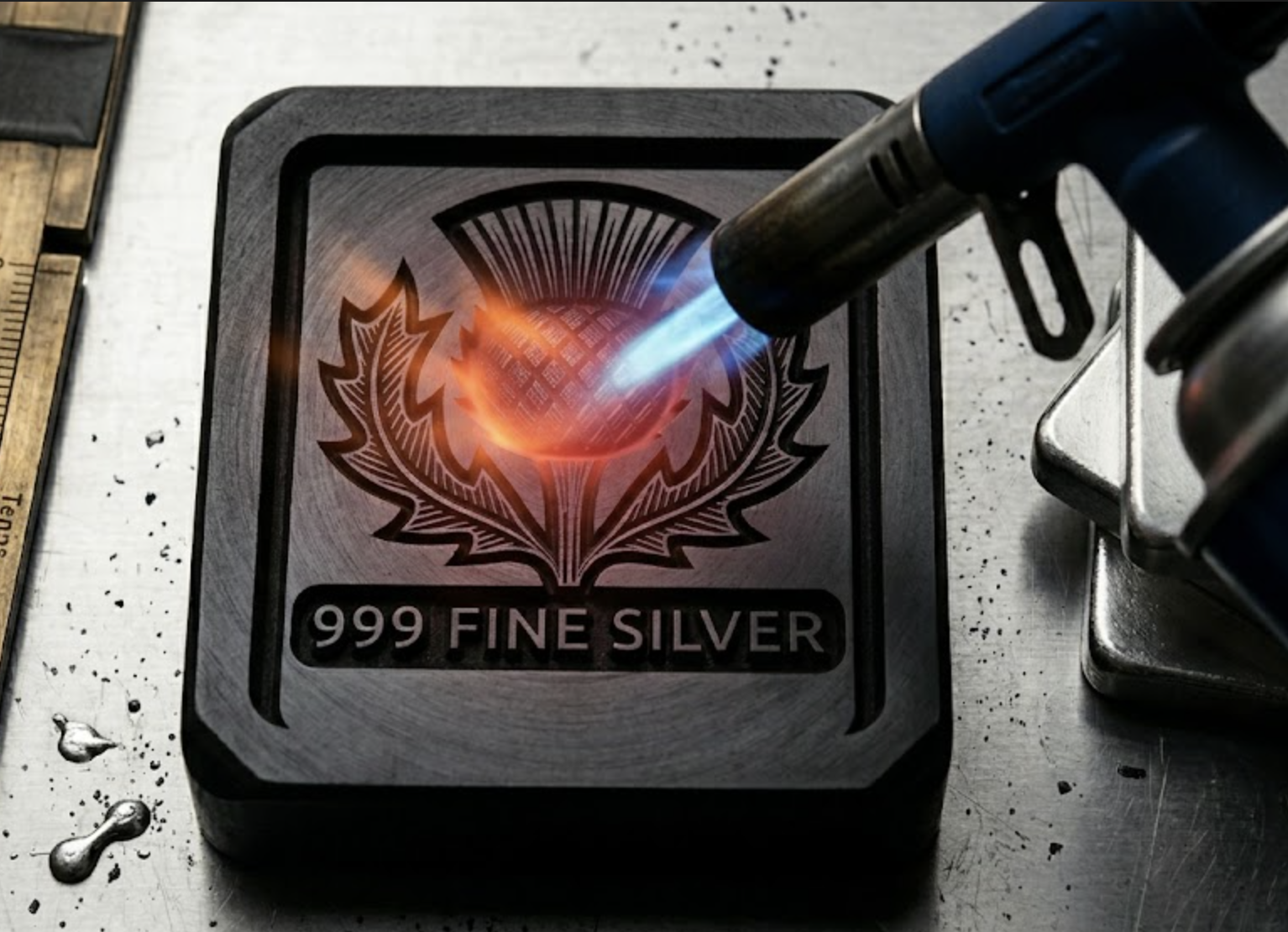
Answer: Yes, preheating your graphite mould is a critical step. Graphite can absorb moisture from the air, and pouring molten metal onto a cold, damp surface will cause the water to turn instantly to steam. This steam has nowhere to go and can cause a “steam explosion,” violently ejecting molten metal from the mould. Preheating (ideally to around 200°C – 300°C, or until all visible moisture is gone) also reduces thermal shock on the graphite and helps the molten metal flow completely into the mould’s details before it freezes.
2. How do I get my finished metal bar out of the mould without damaging it?
Answer: A gentle tap is usually all it takes. Once the metal has completely solidified and cooled to a safe temperature, turn the graphite mould over onto a heat-resistant surface. Graphite is self-lubricating, and most simple geometric bars should just drop out. If it is stuck, avoid using sharp metal tools (like screwdrivers or pliers) which will gouge and ruin the soft graphite surface. Instead, lightly tap the back of the mould with a rubber mallet or wooden block to shock the casting loose.
3. I want to create complex shapes, not just simple bars. What do I need to look for in a graphite mould?
Answer: If you are moving beyond simple 2-piece “kit-kat” style moulds (like those used for standard bullion bars, Figure 1), you need to look for moulds specifically designed with a “draft angle.” This means the vertical walls of the mould cavity are slightly tapered. This taper allows the finished, complex casting to be pulled free from the mould without binding. Complex, 3-dimensional shapes like coins or figurines require specialized mould engineering (as seen in Figure 2) compared to the shallow, flat reliefs used for bars.
4. What are the signs that my graphite mould needs to be replaced?
Answer: Graphite moulds are durable, but they do have a limited lifespan and degrade with use, especially with high-temperature metals. The primary signs of failure are surface degradation and cracking. The sharp edges of your cavities will eventually become rounded or eroded, leading to lost detail in your castings. If you see deep surface pitting or, most importantly, horizontal cracks or “spalling” (where layers of graphite are peeling away), the mould’s structural integrity is compromised and must be replaced.
5. What are the essential safety rules for using graphite moulds?
Answer: Beyond preheating (to prevent steam explosions), there are several mandatory safety practices:
-
PPE is Non-Negotiable: Wear a full leather apron, high-heat insulated gloves, a full face shield, and closed-toe leather boots. Molten metal causes devastating burns.
-
Create a Barrier: Place your graphite mould inside a larger, heat-resistant metal tray (like a steel pan or baking sheet). If you overpour or spill, this catches the metal and prevents it from running onto wooden workbenches or, worse, your feet.
-
Proper Ventilation: The heating and pouring process can release fumes. Work outdoors or under a professional ventilation hood. Never pour in an unventilated indoor space.
Explore Our Video Collection
Introduction to Graphite Moulds
Step-by-Step Metal Pouring Guide
Advanced Techniques in Metal Casting
Stay Updated on Graphite Mould Innovations
Subscribe now to receive the latest insights and advancements in graphite mould technology directly to your inbox. Don’t miss out on exclusive content that can enhance your metal pouring techniques.
